Nissan’s Strategic Move: Investing in Ford, BMW, and Honda’s Home EV Charging Innovations
The electric vehicle (EV) market is revving up, with major players racing to establish dominance in this rapidly evolving industry. In a bold and strategic move, Nissan has announced an investment in the home EV charging businesses of automotive giants Ford, BMW, and Honda. This forward-thinking step not only highlights the increasing importance of robust EV infrastructure but also sets the stage for significant advancements in consumer convenience and market dynamics. This article delves into the rationale behind Nissan’s investment, its implications for the EV industry, and what it means for consumers and the future of home EV charging solutions.
The Rationale Behind Nissan’s Investment
Nissan’s decision to invest in the home EV charging sectors of Ford, BMW, and Honda is a calculated move rooted in foresight and strategic alignment. As electric vehicles (EVs) continue to gain traction globally, the demand for efficient, accessible charging solutions is growing exponentially. By aligning with industry stalwarts like Ford, BMW, and Honda, Nissan is positioning itself to benefit from cutting-edge technology sharing and potential collaborations that could accelerate the development of more sophisticated charging solutions.
Technology sharing through this investment is expected to catalyze innovation, paving the way for advancements in charging speed, energy management, and user interface systems. Moreover, this partnership provides Nissan with a foothold in a rapidly expanding market segment, potentially broadening its customer base and establishing itself as a significant player in the EV ecosystem.
Implications for the EV Industry
This investment sends ripples through the electric vehicle industry, signaling a shift in focus from merely producing EVs to developing comprehensive supporting infrastructures. The collaboration between these automotive giants is likely to lead to breakthroughs in charging technology, thus addressing one of the foremost challenges in EV adoption—range anxiety.
The synergy of shared resources and expertise could result in charging technologies that are not only faster but also more energy-efficient, advancing global sustainability goals. This move could catalyze infrastructure development, promoting the widespread adoption of EVs by ensuring that charging is as convenient and accessible as refueling traditional vehicles. Additionally, such collaborations might encourage other automakers to follow suit, potentially leading to industry-wide advancements and innovations in EV charging technology.
Consumer Impact and Future Prospects
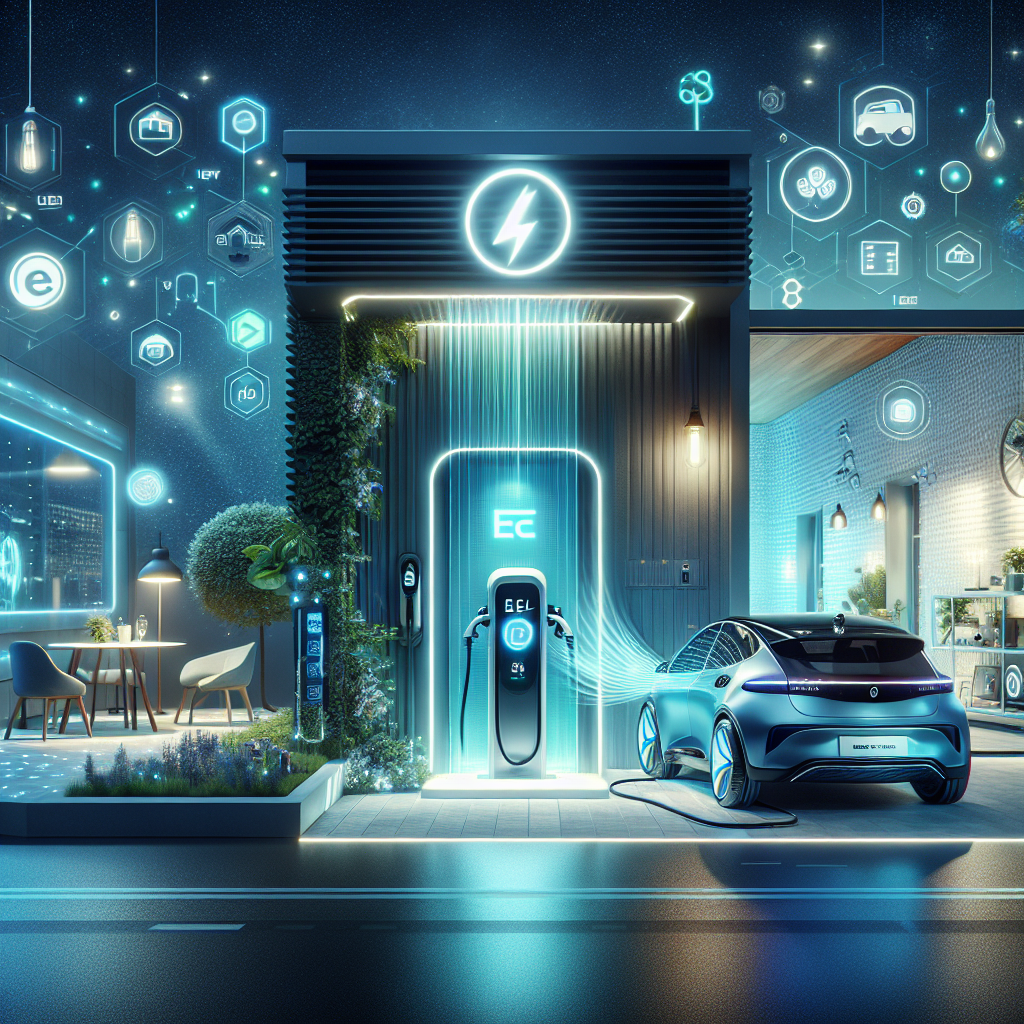
For consumers, Nissan’s investment signifies promising enhancements in charging accessibility and convenience. Home charging is a game-changer, allowing EV owners to power their vehicles overnight and eliminating the reliance on public charging stations, which can often be inconvenient or oversubscribed.
In the future, we can anticipate more intelligent and user-friendly charging solutions emerging from this collaboration. Consumers may benefit from seamless integration with smart home systems, optimized charging schedules to take advantage of off-peak rates, and enhanced energy management to reduce costs and environmental impact.
Moreover, as these developments make EVs more attractive to potential buyers, the increased demand could drive down costs and broaden the market, making electric vehicles more accessible to a larger demographic. This not only bolsters Nissan’s position in the industry but also supports global efforts to reduce emissions and transition to a more sustainable transportation model.
Conclusion
Nissan’s strategic investment in the home EV charging businesses of Ford, BMW, and Honda is more than a business decision; it’s a catalyst for change in the electric vehicle landscape. By joining forces with these industry leaders, Nissan is poised to play a pivotal role in shaping the future of home EV charging. As the industry moves toward a future where electric vehicles become the norm, consumers stand to benefit from increased convenience, advanced technology, and an overall more sustainable transportation system. This strategic move invites consumers to consider the burgeoning capabilities of EV infrastructure as an influential factor in their decision to embrace electric vehicles. Stay tuned, as the evolution of the EV industry promises to bring electrifying innovations and unparalleled convenience to the world of transportation.